Scutellariais an herbaceous perennial plant genus in the Lamiaceae family ( Mint). Lavender, rosemary, and Basil are also related to mints. The genus is named after the Latin word “scutella,” which refers to a small cup or dish. This was based on the shape of the flower calyx.
Skullcaps are found in many different parts of the world. They have evolved to suit their local conditions. The native Scutellaria Lateriflora species is most common in North America. Its common name is the American skullcap.
Other regional varieties are found in other parts of the world, including Scutellaria Californiana and Scutellaria baicalensis. Scutellaria baicalensis is one of the most studied skullcap species. It has been used for centuries in herbal medicine. There are many skullcap products on the market as herbal remedies.
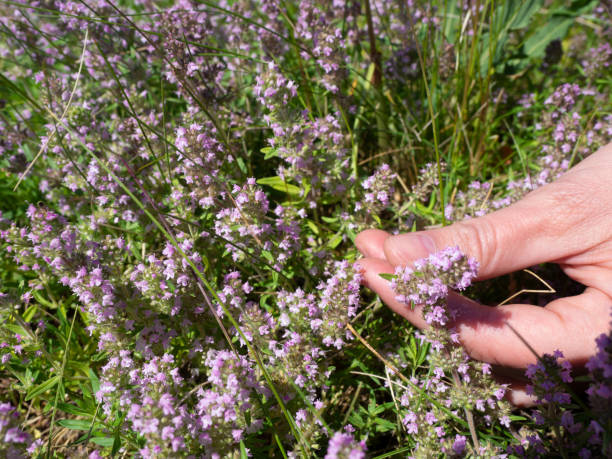
Skullcaps proliferate and are resistant to pests and disease. The flowers are pink, blue, white, and purple splash. The different types of skullcap herbs are suited to other conditions. However, they generally make a beautiful and hardy addition to any landscape.
Quick Care Guide
Skullcap Plant: All You Need to Know
The skullcap plant is a perennial herbaceous plant of the mint family. This plant, like many mints, has square stalks. It also spreads via rhizomes or runners. The growth habit of these plants can be compact, cushion-like, or mound-forming.
In the spring, the aerial parts of plants will form bright green rosette clusters. As the season progresses, many stems will appear from the rosette. Use skullcap herb as a wildflower border in your landscape near a pond or rock garden. These flowers also attract pollinators.
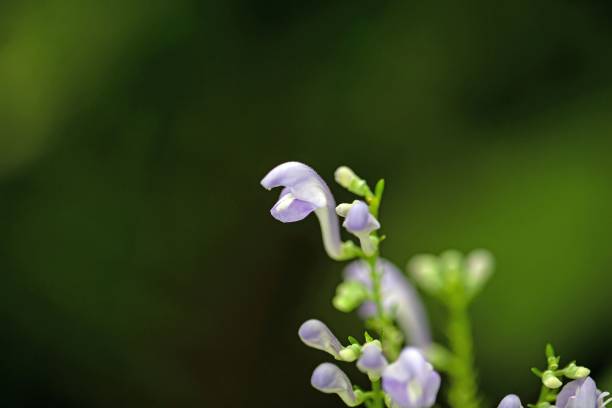
The Scutellariagenus contains many species, but all share a skullcap-shaped flower calyx. On the upper leaf axils, tubular, indeterminate, two-lipped flowers look like snapdragons. The leaf axils can have as many as 14 flowers.
The leaves are ovate and arranged in opposite directions along the stems. The leaf colors range from lime to dark green, and some leaves have toothed edges. The skullcaps have many common names named for colors, such as pink, blue, or cherry. Another spelling variation of skullcap is skullcap.
Scutellaria Baicalensiswas the most studied skullcap due to its high flavonoid concentration. Although not regulated in the U.S. as a drug, skullcap extracts and tea are sold as herbal treatments for anxiety, insomnia, and other conditions.
Skullcaps come in many different types.
Around 350 plant species are found in temperate regions around the world. Many species are native to North America. These herbs are used both for their medicinal and ornamental value.
This herb is native to North America. It can be found from Quebec and Newfoundland down to Florida. This skullcap grows in wet areas such as floodplains and ponds. The flowers come in three different colors: white, pink, and blue.
The flowers bloom from early July until the beginning of October. They are well suited for wetland habitats. The name “lateriflora,” which means “flowering along the side,” is derived from the fact that the flowers grow in racemes—also known as mad dog skullcap or side-flowering skullcap. Blue skullcap herb is being studied by researchers for its effects on anxiety disorders and sleep disorders.
Scutellaria baicalensis is native to East Asia, including parts of Russia. For thousands of years, the Chinese have used the Chinese skullcap plant’s roots to treat various ailments, including diarrhea, dysentery, and hypertension, known as Baikal skullcap or Huang Qin. This skullcap herb has blue and purple flowers, just like Scutellaria Lateriflora.
Scutellaria suffrutescens is known for the showy pink blooms of its skullcap. This herb, also known as pink Texas skullcap, is not native to Texas. It grew in popularity after it was introduced due to its drought tolerance. This herb grows best in sandy or rocky soils with good drainage, full sun, and afternoon shade. The woody base of this plant does not die annually, and the leaves are semi-evergreen.