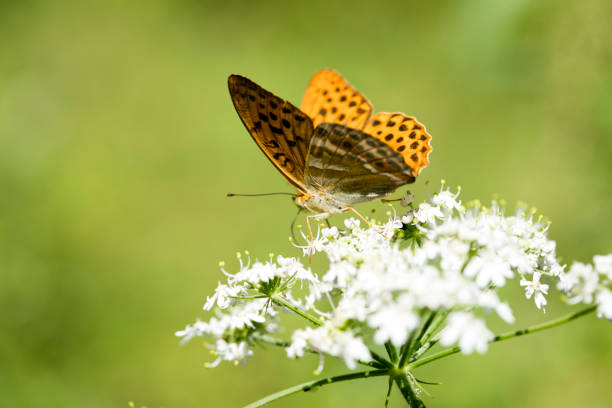
We can all agree that butterflies are some of the most beautiful creatures on earth. We must see a butterfly as they fly by because of the variety of colors that they display. What if I told you you could make a place that attracts these insects? Although butterflies are insects, unlike creepy crawlies, they are still very much loved by us all!
A lot of biodiversity blesses the country. Even in big cities, you can still spot a butterfly in a flowerbed or in close proximity to trees. Don’t worry if you live in a big city or in a polluted area, you still have the chance to see butterflies in your yard.
The life cycle of a butterfly
Before we learn how to attract them let’s first look at the stages of butterflies.
- First, an adult caterpillar lays eggs on the leaves of plants.
- These eggs become larvae after a few days.
- These larvae then become young caterpillars. The caterpillars eat the leaves of host plants and grow hugely. They eat 24 x 7, and gain weight every minute.
- The resting period is next. The resting period is when the caterpillars become pupa. This is a period of rest, but it would be unfair to refer to it as such. Many things are happening within that small packet.
- The pupa will be released after 14-21 days. A beautiful and amazing butterfly will emerge from the pupa.
- You need to provide a space for adult butterflies to feed, to lay eggs and a place where caterpillars and larvae can feed. You will ensure that your garden never runs out of butterflies by keeping the cycle going.
Location
It is important to choose the right location for your butterfly garden. It is important to choose a spot where there are plenty of trees, but not so many that they block sunlight. Because butterflies are cold-blooded insects, sunlight is essential to maintain their body temperature.
Plants
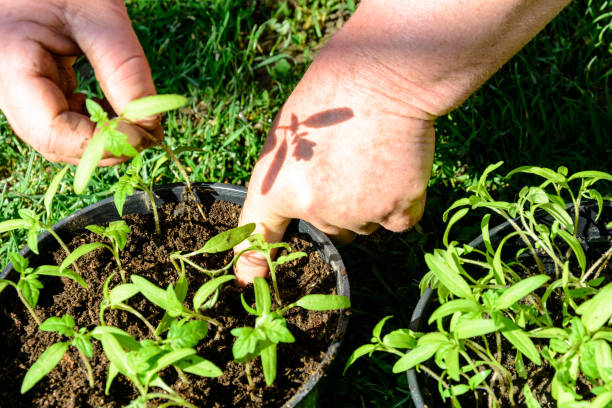
Diverse plants are a good way to attract different types of butterflies. They should be different in colour, type and flowering period. Different types of butterflies will be attracted to this. Plants that support butterflies during their entire life cycle are best.
Plants for laying eggs
Butterflies are very particular about where they lay their eggs. Different species of butterflies have different preferences for plants. Here’s a list of plants you can grow.
- Milkweed
- Carrots
- Parsley
- Wild cherries
- Snapdragon
- Sunflower
- Pussy willow
- Broccoli
- Cabbage
These plants are home to many kinds of butterflies, so your garden will be full of colorful butterflies when the eggs hatch.
Caterpillars eat plants.
Caterpillars primarily eat leaves. Carrots, cabbage, violets, and clovers are all good options for caterpillars. All these plants will provide a feast for the caterpillars, and they will happily live in your garden.
Nectar-making plants
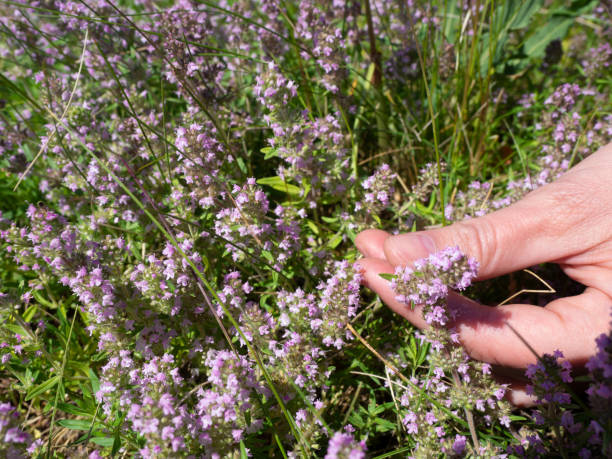
The nectars of butterflies are the food they eat from flowers. They can be either annuals or perennials. It is important to choose the right flowering plants for your garden. You should have a certain number that bloom throughout the year.
Butterfly attracting perennials – Lantana, Jamaican spike, Wedelia, Clerodendron, Alternanthera etc.
Annuals that attract butterflies – Ageratum and Marigold, Gomphrena, Marigold and Cosmos, Marigold, Marigold, Celosias, Petunias, Sunflowers, Sweet alyssums, Blue salvias, Lantanas, Verbena , etc.
Provide water
Butterflies are unique creatures, so they also drink water in a special way. Use sand to fill a saucepan or other container. You should not add too much water to the sand. The water shouldn’t be left floating in the pan. The wet sand is a favorite place for butterflies to rest and absorb minerals and water. It should be kept in shade and away from direct sunlight to ensure it doesn’t dry quickly.
Add stones and pebbles
Butterflies love to sunbathe on rocks. These rocks can become warm due to the sun, which attracts butterflies to sit on them. You can make many designs and decorate your garden with different kinds of rocks.
Avoid chemicals
Although they have sensitive noses, butterflies also have an extremely sensitive olfactory sense organ. They love the smells of flowers, plants, and other plant scents. They will flee from pesticides and other chemicals. It won’t only repel them but also kill their natural scent and make them less likely to attract other species.
Create a small water body
Consider creating a small pond in your garden or an artificial fountain if you have the space. This will create a wonderful environment for the butterflies and attract them even more.
Provide nutrients
The nectar is not the only thing that butterflies eat; they also eat rotting vegetables and fruits. You can also compost your kitchen scraps and feed butterflies. You will need to find a place where you can keep very few peels. To avoid rotten smells in your garden, keep the peels no more than 2 to 3 days old. You can replace them every 2 to 3 days. Also, a small amount will attract only a few houseflies.
These are the steps to create your own butterfly garden. We are trying to create a natural habitat for butterflies that they can call home. Don’t delay, get all you need and your mornings will soon be filled with colourful butterflies all over your garden. It would be the perfect spot to enjoy your morning coffee.